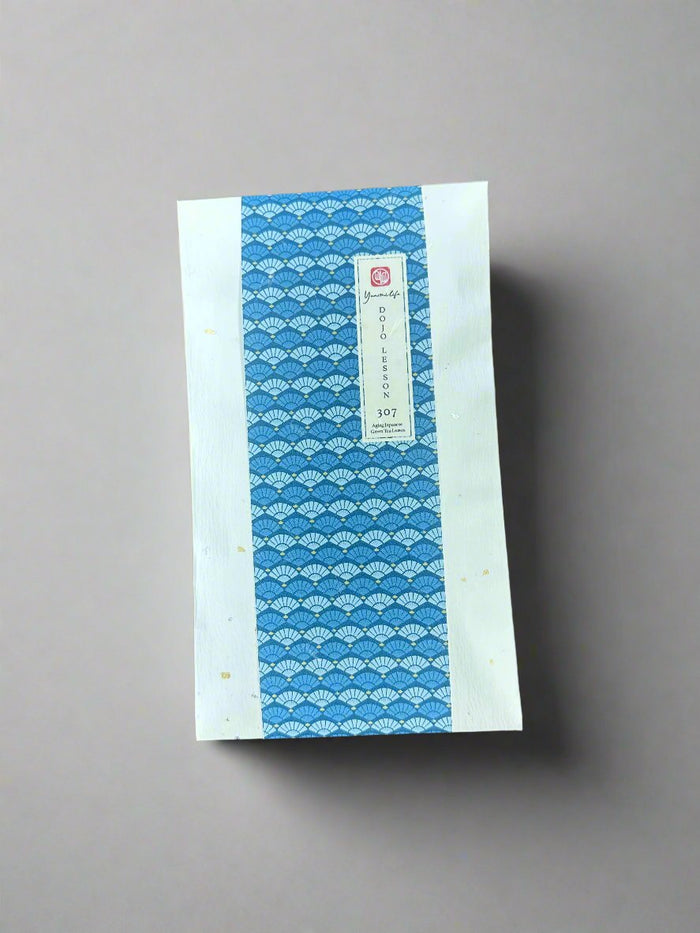
Yunomi Dojo Lesson 307: Aging Japanese green tea leaves
Yunomi Dojo Lesson 307: Aging Japanese green tea leaves


Couldn't load pickup availability

Yunomi Dojo Lesson 307: Aging Japanese green tea leaves
🔒 Order with Confidence
🔒 Order with Confidence
🔒 Order with Confidence
✅30-Day Money Back Guarantee — no risk trying it.
🚚Free shipping available. Orders processed within 24–48 hours.
🔐Secure & encrypted checkout with trusted payment providers.
Taste the difference between this year's harvest and previous year's harvest.
- 10 grams of a 2022 harvested green tea
- 10 grams of a 2023 harvested green tea
- 10 grams of a 2024 harvested green tea
- Tea products used will be the same product from the same original manufacturer.
See also Lesson 308: Aging Japanese Gyokuro
It is often said that the fresher a tea leaf is, the better it tastes. This is why tea that has just been harvested, shincha or "new tea", is so highly valued.
As time passes, tea that is not stored very well will mix with the oxygen and moisture in the air and go stale within a few weeks. Temperature changes in the storage environment also play a part in this.
However, with proper storage conditions -- low humidity, low consistent temperature, airtight storage, absence of other odors -- tea leaves will age. The chemicals inside the leaf that make up its flavor will breakdown slowly without oxidizing, creating a more rounded taste. This is in fact how the leaves used to make the highest quality matcha are prepared.
Prior to the invention of temperature control technology, the process of aging tea leaves required extensive preparation as Japanese summers are hot and humid. Today, many "aged" teas are often leaves that were unsold from the previous year since temperature controlled storage used to maintain freshness acts as an environment for aging over the course of 1-2 years.